
Grading has been a normal part of collecting trading cards and comics for years. More recently, it has become a real question in the Funko world too: should you get a Funko Pop graded, does it actually raise the value, and which services still offer it?
That last question matters more than it used to. Grading in this space has shifted, and if you are holding a grail you are thinking about sending off, it is worth understanding the landscape before you spend the money.
This guide covers what Funko Pop grading actually is, why collectors do it, what has changed with major grading services, and how to decide if it makes sense for your collection.
What Does It Mean to Grade a Funko Pop?
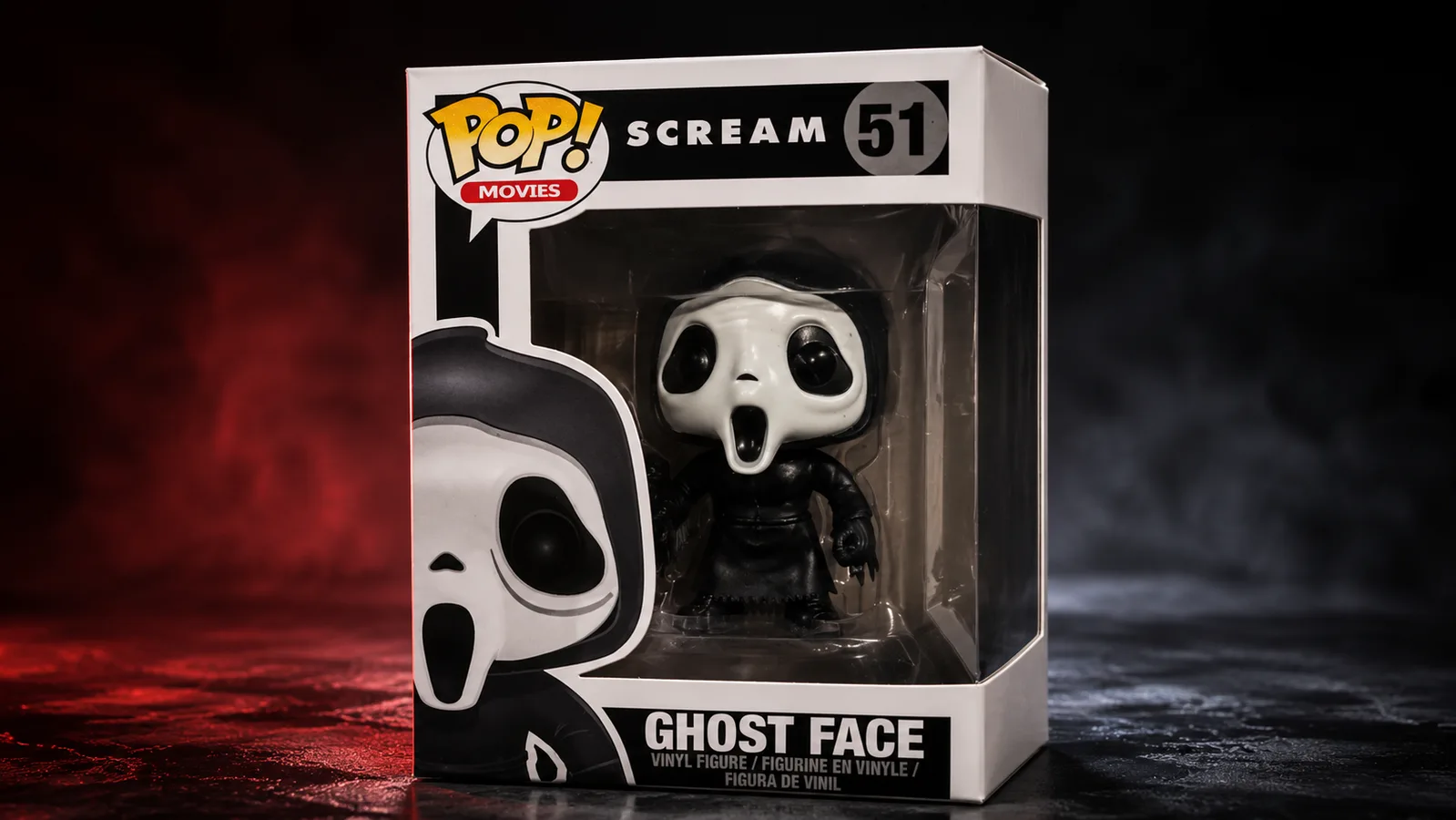
Grading is a third-party service that inspects a collectible, assigns it a numerical condition score, and seals it in a protective case. For Funko Pops, that usually means evaluating the box.
A grading service typically checks for authenticity as well as condition, which is worth reading about alongside our guide on how to detect fake Funko Pops.
A grading service typically checks for:
-
Box corner sharpness
-
Window clarity and scratches
-
Color and print quality
-
Creasing or dents
-
Overall box condition compared to a numeric scale
Once graded, the Pop is sealed in a hard case with a label showing the grade, making the condition a documented fact instead of a seller's claim.
Why Collectors Grade Their Funko Pops
Grading is not required to collect or display Funko Pops. Most collectors never grade anything. But for certain pieces, it can make sense.
Common reasons collectors choose to grade:
-
Locking in and documenting mint condition on a rare or expensive Pop
-
Protecting the box from further handling damage permanently
-
Making a Pop easier to sell to buyers who trust a third-party grade over seller photos
-
Adding a layer of authenticity confidence for high-value convention exclusives
-
Treating a grail as a long-term investment piece rather than a shelf display
Grading tends to make the most sense for genuinely rare, high-value, or exclusive Pops, not common retail releases.
What Happened With PSA and Funko Pop Grading
For a while, PSA was one of the most talked-about names in Funko grading. That changed on December 1, 2025, when PSA discontinued standard Funko Pop grading. Any submissions that arrived at PSA on or before that date are still being processed for authentication and grading as normal, even if that takes them past the cutoff. Submissions arriving after December 1, 2025 are no longer accepted for standard grading.
PSA has not walked away from Funko Pops entirely. They still offer autograph-only authentication and encapsulation for signed Funko Pops, which receive a Blue Label indicating autograph authentication only, rather than a full condition grade.
If you are planning to submit a Pop for grading, always check the grading service's current policies directly before sending anything in, since submission categories and rules can change with little warning, as this case shows.
Other Grading Services to Know
PSA is not the only option in this space. Other services collectors use for Funko Pops include:
-
CGC – widely known for comics and trading cards, and active in the collectibles and Funko grading space
-
AFA – a long-established action figure grading service that some collectors use for vinyl figures
Before submitting to any service, compare:
-
Whether they currently accept Funko Pops at all
-
Turnaround time
-
Cost per submission, including tiers for faster service
-
Their specific grading scale and what each grade means
-
How buyers in the secondary market view that service's grades
Not all grades are treated equally by buyers. A grade from a widely trusted service can matter more to resale value than the number itself.
Is Funko Pop Grading Worth the Cost?
This depends heavily on the specific Pop.
Grading is more likely to be worth it when:
-
The Pop is genuinely rare or a limited exclusive
-
The box is already in excellent, near-mint condition
-
You plan to sell rather than keep it on display
-
The expected resale value clearly exceeds the grading fee and shipping
-
Buyer confidence in your specific market is boosted meaningfully by a graded label
Grading is less likely to be worth it when:
-
The Pop is a common, easy-to-find retail release
-
The box already has visible damage before submission
-
You want to keep displaying it out of the case at home
-
The grading fee is close to or higher than the Pop's ungraded value
A good rule of thumb: grade because the numbers make sense, not just because grading exists.
What Grading Does Not Do
It helps to be clear-eyed about the limits of grading.
Grading does not:
-
Guarantee a Pop will sell for more than an ungraded one
-
Fix existing box damage
-
Make a common Pop rare
-
Replace demand as the main driver of value
-
Prove a figure is authentic on its own without proper vetting
A high grade on a Pop nobody wants is still a Pop nobody wants. Grading protects condition and adds documentation, but demand still drives the price. For how demand and rarity translate into real prices, see our Funko Pop value guide and our list of the most valuable Funko Pops ever sold.
How to Prepare a Funko Pop for Grading
If you decide grading makes sense for a specific piece, a few habits help avoid problems:
-
Handle the box as little as possible before shipping
-
Photograph the box from all angles before you send it
-
Package it exactly according to the grading service's shipping instructions
-
Confirm current turnaround times, since these change often
-
Keep your tracking and submission records until the graded item is returned
Graded vs Raw: How to Decide for Your Collection
Most collectors end up with a mix, and that is completely normal.
A reasonable approach:
-
Keep your true grails and investment pieces as candidates for grading
-
Leave everyday favorites and display pieces raw so you can actually enjoy them
-
Reassess as a Pop's value or rarity changes over time
There is no requirement to grade anything. Plenty of valuable collections are entirely raw, organized well, and properly documented instead.
How GrailNest Helps You Track Graded and Raw Pops
Whether a Pop is sealed in a graded case or sitting raw on your shelf, GrailNest gives you one place to track it.
With GrailNest, you can log:
-
Whether an item is graded or raw
-
Grading service and grade received
-
Condition notes for items you are considering submitting
-
Purchase price, submission cost, and estimated value
-
Photos taken before and after grading
This makes it easy to see, at a glance, exactly what has been graded, what is still raw, and whether grading actually paid off for the pieces you submitted.
Final Thoughts: Grading Is a Tool, Not a Guarantee
Funko Pop grading can protect a genuinely valuable piece and give buyers more confidence, but it is not free, it is not automatic, and services in this space change their rules over time, as PSA's December 2025 decision to discontinue standard Funko grading showed.
Before you submit anything, check current policies, compare services, and be honest about whether the specific Pop justifies the cost.
Whatever you decide, keep a clear record of it. GrailNest gives you a single place to track condition, grading history, and value for every piece in your collection, graded or not.