Fake Funko Pops are one of the biggest concerns for collectors, especially when buying rare, vaulted, chase, signed, or convention-exclusive Pops online.
At first glance, a fake Funko Pop can look close to the real thing. The box may have the right character name, the figure may look similar, and the barcode may even scan. But once you know what to look for, many counterfeits start to show warning signs.
This guide will walk you through how to detect fake Funko Pops by checking the box, figure, serial numbers, stickers, barcode, seller history, and overall quality.
No single detail can prove a Pop is real or fake every time, but combining multiple checks can help you make a smarter decision before buying, selling, or adding a Pop to your collection.
Why Fake Funko Pops Are a Problem
Funko collecting has grown into a serious hobby. Some Pops are common and easy to replace, while others can become expensive collector pieces.
That value creates a market for counterfeits.
Fake Funko Pops are especially common around:
-
Rare vaulted Pops
-
Anime grails
-
Chase variants
-
Convention exclusives
-
Older releases
-
High-value horror Pops
-
Popular Marvel, DC, Disney, and Star Wars characters
-
Signed Pops without proper authentication
-
Marketplace listings with unusually low prices
If a Pop is expensive, hard to find, or highly wanted, it is worth taking extra time to inspect it before buying.
First Rule: Do Not Rely on One Sign
One of the biggest mistakes collectors make is relying on only one detail.
For example, a barcode scan does not automatically prove a Funko Pop is authentic. A fake box can still have a copied barcode. A serial number can be printed incorrectly. A sticker can be swapped. A seller can use real photos and ship a different item.
The best way to check authenticity is to look at the full picture.
Ask yourself:
-
Does the box look professionally printed?
-
Do the colors match known authentic examples?
-
Does the Pop logo look correct?
-
Is the serial number present and reasonable?
-
Does the figure quality look right?
-
Does the sticker match the release?
-
Is the price suspiciously low?
-
Is the seller trustworthy?
-
Do the photos show the actual item?
If several things feel off, be careful.
1. Check the Box Quality
The box is usually the first place to inspect when trying to spot a fake Funko Pop.
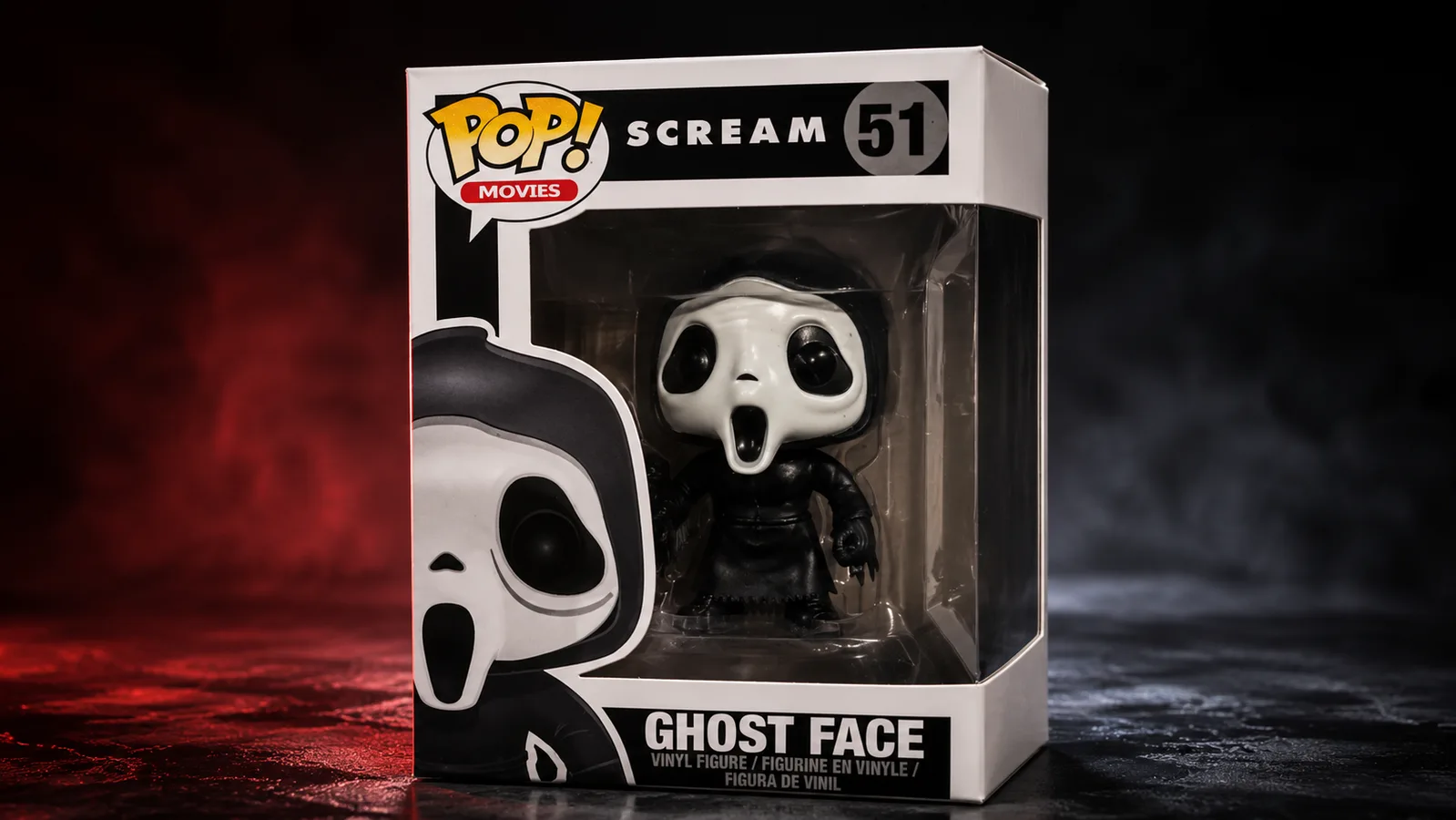
Authentic Funko boxes usually have clean printing, sharp logos, consistent colors, and properly aligned artwork. Fake boxes often look slightly off, especially when compared to a real one.
Look for:
-
Blurry text
-
Fuzzy edges around logos
-
Washed-out colors
-
Colors that look too dark or too bright
-
Misaligned character artwork
-
Crooked box windows
-
Incorrect fonts
-
Poor print resolution
-
Strange spacing around the Pop logo
-
Cheap or thin cardboard
-
Incorrect back-of-box lineup
Pay close attention to the front Pop logo, character name, box number, and franchise branding. Counterfeit boxes often struggle with small print details.
If you are buying a valuable Pop, compare it with photos of verified authentic versions from trusted collectors, official listings, or reputable marketplaces.
2. Compare the Pop Logo
The Pop logo is one of the easiest places to spot a fake.
On authentic boxes, the Pop logo should look clean, sharp, and properly placed. Fake boxes may have a logo that looks too thick, too blurry, too bright, or slightly misshaped.
Check for:
-
Incorrect logo shape
-
Poor outline quality
-
Uneven borders
-
Fuzzy print edges
-
Wrong color tone
-
Bad placement on the box
-
Logo spacing that does not match authentic examples
Small differences matter. Counterfeiters can get the general look right, but they often miss the tiny details.
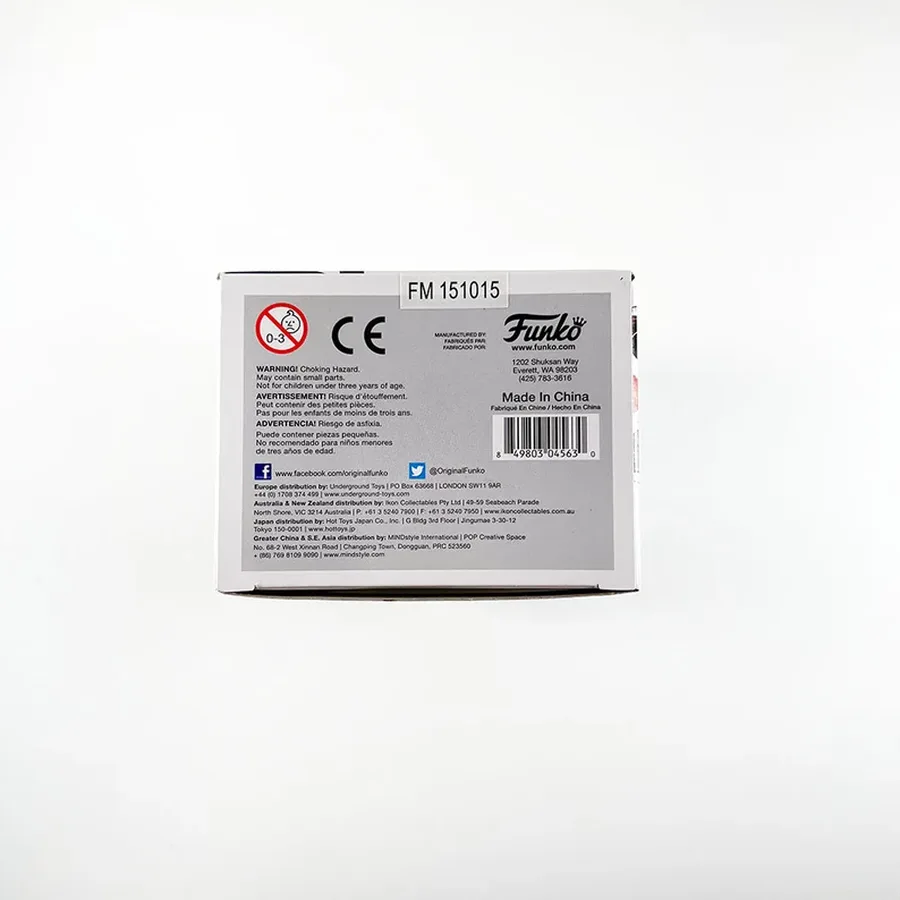
3. Check the Serial Number and Date Code
Many authentic Funko Pops include production codes, date stamps, or serial markings on the box and figure.
These may appear on:
-
Bottom of the box
-
Bottom flap
-
Figure foot
-
Back of the head
-
Body or base
-
Inside box areas depending on release
A missing code does not automatically mean a Pop is fake, because markings can vary by age, product line, and release. But a suspicious, missing, badly printed, or mismatched code is a red flag.
Look for:
-
No production code where one is expected
-
Badly printed or smeared code
-
Code that looks copied onto the box
-
Code on the box but not the figure
-
Code that does not match known examples
-
Strange font or spacing
-
Code printed in an unusual location
For expensive Pops, search for verified photos of the exact release and compare the code placement.
4. Inspect the Figure’s Paint Quality
The figure itself can reveal a lot.
Authentic Funko Pops are not always perfect, but they usually have consistent paint, clean shapes, and solid molding. Fake Pops may have sloppy paint, rough edges, strange colors, or unusual material quality.
Check for:
-
Paint bleeding outside the lines
-
Uneven eyes
-
Incorrect skin tone
-
Wrong outfit color
-
Messy hairline paint
-
Bad facial details
-
Rough mold seams
-
Weak or soft sculpt details
-
Strange plastic shine
-
Figure that feels unusually light or cheap
-
Parts that look warped or poorly attached
Some real Funko Pops do have factory defects, so one small paint flaw does not automatically mean fake. But major differences from authentic examples should raise concern.
5. Compare the Figure to Known Authentic Photos
When checking a questionable Pop, do not only look at the box. Compare the actual figure to trusted photos.
Look at:
-
Eye shape
-
Head shape
-
Hair sculpt
-
Accessories
-
Pose
-
Outfit details
-
Colors
-
Base or stand
-
Small printed details
-
Glow, metallic, flocked, or diamond finish if applicable
Counterfeit figures often look close from far away but fail when you compare small sculpt details.
For high-value Pops, try to compare your item with multiple authentic photos, not just one. Lighting, camera settings, and box condition can make photos look different, so use several examples when possible.
6. Check the Sticker Carefully
Exclusive stickers are one of the most important details in Funko collecting.
A sticker can change the value of a Pop significantly, especially for convention exclusives, retailer exclusives, chase variants, and limited editions.
Fake Pops may have fake stickers, wrong stickers, misplaced stickers, or stickers from the wrong release.
Check for:
-
Wrong sticker design
-
Incorrect sticker size
-
Bad print quality
-
Crooked placement
-
Sticker that looks too glossy or too dull
-
Sticker used on the wrong release
-
Convention sticker instead of shared sticker
-
Shared sticker instead of con sticker
-
Sticker that does not match known examples
Be extra careful with expensive convention Pops. The difference between a real convention sticker and a shared exclusive sticker can matter a lot to collectors.
7. Look at the Plastic Window and Insert
The plastic window and inner insert can also give clues.
Authentic boxes usually have a clear window and an insert that fits the figure properly. Fake boxes may have cloudy plastic, cheap-feeling inserts, or poor fitment.
Look for:
-
Cloudy or warped window plastic
-
Thin or flimsy inner insert
-
Figure that does not sit properly
-
Insert that is too loose or too tight
-
Plastic edges that look rough
-
Box window that is not aligned well
This is not the strongest authenticity check by itself, but it helps when combined with other signs.
8. Be Careful With Barcodes and UPC Scans
A barcode can help identify a product, but it should not be treated as proof of authenticity.
A fake Funko Pop box may still have a barcode that scans to the correct item because the barcode can be copied from a real box.
Use the barcode as one piece of the puzzle.
Barcode scanning can help you:
-
Identify the item
-
Match the UPC to a known product
-
Add the Pop to your collection
-
Check if the item already exists in your tracker
-
Compare against catalog data
But a barcode cannot confirm:
-
Whether the box is real
-
Whether the figure inside is real
-
Whether the sticker is original
-
Whether the item was swapped
-
Whether the seller is trustworthy
A scanned barcode is useful, but it is not a full authentication system.
9. Check the Seller
The seller matters almost as much as the item.
Before buying a valuable Funko Pop, check the seller’s history and behavior.
Look for:
-
Low feedback
-
New account selling expensive grails
-
Stock photos only
-
Refusal to send more photos
-
Price far below market value
-
Multiple rare Pops listed cheaply
-
Vague item descriptions
-
No returns
-
Poor communication
-
Photos that look stolen from another listing
Ask for real photos of the exact item, including:
-
Front of box
-
Back of box
-
Bottom of box
-
Serial/date code
-
Sticker close-up
-
Figure close-up
-
Any box damage
-
Timestamp photo if needed
A trustworthy seller should be willing to provide clear photos for an expensive item.
10. Watch Out for Prices That Are Too Good
If the price is far below normal market value, slow down.
Everyone wants a good deal, but fake Funko Pops are often sold at prices designed to make collectors act quickly.
Be careful when you see:
-
Rare grails at half the normal price
-
Expensive Pops with no detailed photos
-
Sellers rushing you to buy
-
Listings with “I do not know if this is real”
-
No returns on expensive items
-
Bulk lots full of high-value Pops
-
Marketplace posts with copied photos
A low price does not always mean fake, but it should make you inspect the item more carefully.
11. Be Extra Careful With Signed Funko Pops
Signed Funko Pops require another layer of verification.
A real Pop can have a fake signature. A fake Pop can have a fake signature. A real signature can be placed on a questionable box.
For signed Pops, look for:
-
Trusted authentication
-
Certificate of authenticity
-
Matching certification number
-
Reputable signing event
-
Clear signature photos
-
Seller proof
-
Tamper-resistant authentication sticker
-
Known authenticator database lookup
Do not assume a signature makes a Pop more legitimate. Authentication matters.
12. Know Which Pops Are Commonly Faked
Not every Funko Pop is equally likely to be counterfeited.
Counterfeiters usually focus on Pops with strong demand and high resale value.
Be extra cautious with:
-
Anime grails
-
Older vaulted Pops
-
Convention exclusives
-
Expensive chase variants
-
Rare horror Pops
-
High-value Marvel and DC Pops
-
Popular Disney grails
-
Limited edition sticker releases
If a Pop is cheap and common, it is less likely to be fake. If it is rare and expensive, inspect it closely.
13. Compare Box Number, Series, and Back-of-Box Lineup
Fake boxes sometimes make mistakes with small catalog details.
Check:
-
Box number
-
Character name
-
Franchise logo
-
Series name
-
Back-of-box lineup
-
Product line
-
Copyright text
-
Licensing text
If the box number or back-of-box lineup does not match known authentic examples, that is a major warning sign.
This is especially important for older Pops where the packaging style may have changed over time.
14. Look for Inconsistent Aging
Older Pops should often show some signs of age, even if they are in great condition.
A supposedly old vaulted Pop with a perfectly fresh-looking box, strange print quality, and no wear may deserve closer inspection.
That does not mean clean old Pops are fake. Many collectors store items carefully.
But if the box looks newly printed, the colors seem wrong, or the materials feel different from the expected release period, compare it carefully with known authentic examples.
15. Ask Collector Communities for a Second Opinion
If you are unsure, ask experienced collectors.
Funko collector groups, Discord communities, Reddit communities, and Facebook groups can help compare details. Many collectors are familiar with common fakes and can spot issues quickly.
When asking for help, provide clear photos:
-
Front of box
-
Side of box
-
Back of box
-
Bottom of box
-
Sticker close-up
-
Serial/date code
-
Figure out of box if possible
-
Close-up of face and paint details
The better your photos, the better the feedback will be.
Real vs Fake Funko Pop Checklist
Before buying or accepting a trade, run through this checklist:
-
Does the box print look sharp?
-
Does the Pop logo look correct?
-
Are the colors accurate?
-
Is the box number correct?
-
Does the back-of-box lineup match?
-
Is the sticker correct for the release?
-
Is the serial/date code present where expected?
-
Does the figure match authentic photos?
-
Is the paint quality reasonable?
-
Does the plastic insert fit correctly?
-
Does the barcode match the item?
-
Does the seller have good history?
-
Are the photos real and detailed?
-
Is the price realistic?
-
Are there multiple red flags?
If several answers feel wrong, pause before buying.
What to Do If You Think a Funko Pop Is Fake
If you already bought a Pop and think it might be fake, do not panic.
Start by documenting everything.
Take clear photos of:
-
The listing
-
Seller profile
-
Payment receipt
-
Front of box
-
Back of box
-
Bottom of box
-
Sticker
-
Serial/date code
-
Figure details
-
Shipping label if needed
Then compare it with verified examples and ask collectors for feedback.
If you bought it through a marketplace, review the buyer protection process. If the seller misrepresented the item, you may be able to open a dispute or request a return.
Do not resell a Pop as authentic if you are not confident it is real.
How GrailNest Can Help Collectors Stay Organized
GrailNest is built to help collectors track, organize, and manage their collections in one place.
While no tracker can magically authenticate every Funko Pop, having a clean collection record can help you become a more informed collector.
With GrailNest, collectors can track:
-
Owned Pops
-
Wishlist items
-
Grails
-
Barcode and UPC data
-
Photos
-
Notes
-
Purchase details
-
Collection value
-
Digital shelves
-
Custom collector profiles
This makes it easier to remember where an item came from, what you paid, what condition it is in, and whether there are any concerns about authenticity.
For serious collectors, tracking details matters.
Final Thoughts: How to Tell If a Funko Pop Is Fake
Detecting fake Funko Pops is about pattern recognition.
One small issue does not always mean a Pop is fake. Real Pops can have factory flaws, box wear, paint mistakes, and sticker differences.
But when the box looks wrong, the logo is blurry, the serial code is suspicious, the figure paint is messy, the sticker does not match, the seller is questionable, and the price is too good to be true, you should be careful.
The safest approach is to compare multiple details, use trusted sellers, ask for clear photos, and track your collection carefully.
A good collector does not just chase grails. A good collector protects their collection.
Use GrailNest to track your Funko Pops, organize your grails, and keep better records of every item you add to your collection.