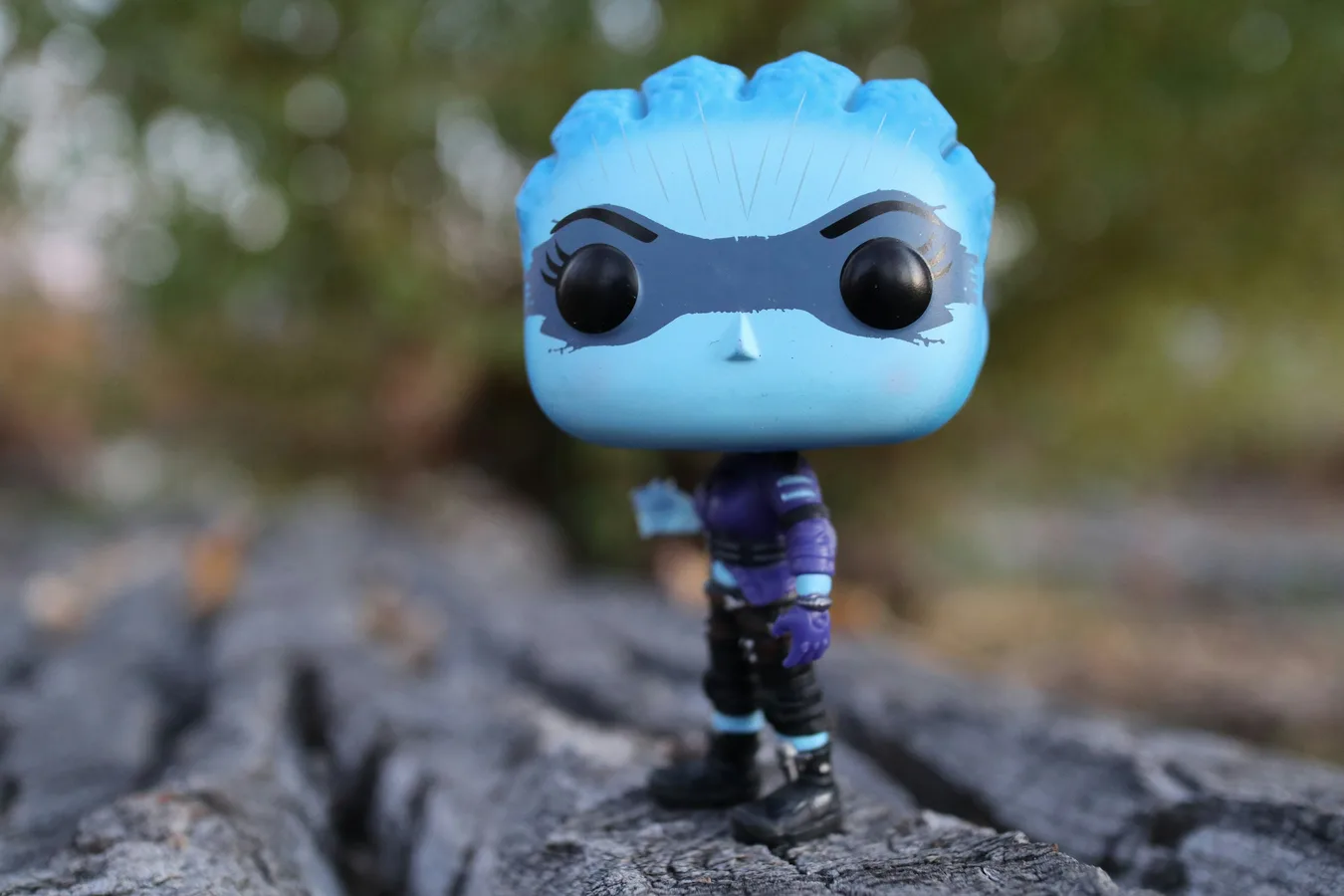
What Are Funko Pop Figures
Funko Pop figures are the small, big headed vinyl collectibles that Funko has been producing since 2010, covering everything from major movie and TV franchises to musicians, athletes, and video game characters. What started as a niche collectible has grown into one of the largest pop culture merchandise categories in the world, with tens of thousands of unique figures released to date.
Each figure ships in a window box printed with the character art, the franchise logo, and a number that identifies where it sits in Funko's catalog. That number matters more than most new collectors realize, since it is the fastest way to confirm you are looking at the exact figure you think you are, especially when a listing title is vague or wrong.
Below, we will walk through the different figure types, how numbering and variants work, where to actually buy them, how to avoid fakes, what makes certain pieces valuable, how to store and display a growing collection, and how to keep track of everything you own.
A Quick History of Funko Pop
Funko started in 1998 as a small novelty company before launching the Pop! Vinyl line in 2010 with a run of classic monster and horror characters. The line took off once Funko started securing licenses across nearly every major entertainment category: comics, movies, TV, anime, sports, and music. That breadth is a big part of why the keyword volume around "Funko Pop figures" is so high. Almost every fandom has its own corner of the Funko catalog, and new collectors are constantly searching for a starting point.
The Different Types of Funko Pop Figures
Not every Funko release is the standard 3.75 inch figure. Knowing the product line helps you understand pricing and rarity at a glance:
- Pop! the standard, most common format at roughly 3.75 inches tall
- Pop! Deluxe larger scenes or figures posed with a base, often depicting a moment rather than a single character
- Pop! Rides a figure paired with a vehicle, ship, or other large prop
- Pop! Moments two or more figures combined into a single scene from a film or show
- Pop! Albums figures packaged inside a recreation of an album cover, popular with music collectors
- Pop! Town a figure paired with a building or storefront
- Jumbo and Super Sized Pop! oversized versions of standard figures, usually limited production and priced well above standard retail
Larger and more complex formats generally carry higher retail prices and, once discontinued, tend to hold value better than simple single figure releases.
Understanding Numbers and Variants
Every Funko Pop figure belongs to a numbered line within its franchise. Marvel figures share one numbering sequence, Disney has its own, anime titles often have their own as well. Within that line, a single character can exist as multiple variants:
- Common release the standard version widely available at retail
- Exclusive variant a different paint job, pose, or accessory sold only through a specific retailer or event, such as a convention or a single chain store
- Chase variant a randomly inserted alternate version, usually 1 in 6 boxes in a case, often with a different color scheme or a glow in the dark finish
- Vaulted figure a figure Funko has officially discontinued, which typically drives secondary market prices up over time since existing stock is all that remains
- Grail collector slang for a figure that is extremely difficult to find and sits at the top of someone's personal want list, regardless of its actual market price
Before buying anything above retail price, always confirm the exact number and variant name printed on the box rather than trusting a listing title alone. Sellers sometimes misname variants, intentionally or not, and a common figure listed as an "exclusive" is one of the most frequent buying mistakes new collectors make.
Where to Buy Funko Pop Figures
Retail Stores
Big box retailers, hobby shops, and chains like Hot Topic and BoxLunch carry current releases and occasional store exclusives at standard retail pricing. This is the safest and cheapest way to buy, but selection is limited to what is currently in production and shelf space varies a lot store to store.
Specialty and Online Collectible Shops
Dedicated collectible retailers often carry a wider catalog, including recently vaulted figures, at a modest markup. These tend to be more reliable than open marketplaces since they typically source directly from Funko or authorized distributors, and many offer grading or protective packaging as an add on.
Secondary Marketplaces
eBay, collector Facebook groups, and convention floors are where most rare and vaulted figures actually change hands. Prices here are driven purely by supply and demand, which means the same figure can vary wildly in price from one listing to the next depending on box condition, seller reputation, and how badly the buyer wants it that day.
Conventions and Exclusive Drops
Shows like San Diego Comic-Con, New York Comic Con, and Funko's own Fundays event are where the year's most limited exclusives debut. These pieces often sell out within hours and reappear on the secondary market at several times retail almost immediately.
How to Spot a Fake
As certain figures climb in value, they become more likely to attract counterfeits, particularly on open marketplaces where box condition photos are the only thing you have to go on. A few things worth checking before you pay a premium:
- Sticker placement and print quality on the box, since counterfeits often use slightly off colors or blurry text
- Vinyl seams and paint bleed on the figure itself
- Weight and packaging materials, which are often noticeably lighter or cheaper on fakes
- Barcode and UPC accuracy, which counterfeiters frequently get wrong or reuse across different figures
- Seller history and whether they can provide additional close up photos on request
If you are not confident judging a figure yourself, GrailNest's free Funko Authenticity Scan compares your photos against a verified reference corpus and flags likely counterfeits before you commit to buying.
What Actually Drives Value
Not every old or exclusive figure is valuable, and plenty of newer common releases are worth exactly retail price forever. The figures that hold or gain value tend to share a few traits:
- Limited print runs convention exclusives and small batch releases in particular
- Vaulted status once Funko stops producing a figure, existing supply is all that remains
- Box condition a mint, unhandled box with sharp corners is worth significantly more than a worn one, even for the same figure
- Grading a professionally graded and slabbed figure from a service like PSA or AFA typically commands a premium over a raw, ungraded one in similar condition
- Cultural relevance figures tied to a franchise experiencing a resurgence, such as a new movie, show revival, or anniversary, tend to see short term demand spikes
Chase variants and errors, meaning misprints or factory mistakes that made it to shelves, are the wildcard category. These can be worth a small fortune or barely more than the common release, depending entirely on how well known the error is among collectors.
Displaying and Storing Your Collection
How you store figures matters almost as much as which ones you own, especially for anything you might sell or trade later. A few habits worth building:
- Keep boxes out of direct sunlight, which fades printed colors and box art over time
- Use a protective case or box protector for anything valuable or vaulted, since corner and edge damage is the most common condition issue in resale
- Store figures somewhere with stable temperature and humidity, since vinyl can warp in extreme heat
- Keep opened and boxed figures separate if you collect both, since mixing storage increases the chance of accidental damage
Common Mistakes New Collectors Make
- Buying based on a listing title without confirming the number and variant printed on the box
- Assuming "limited edition" language in a listing means the figure is actually rare
- Overpaying for a figure the week it is announced, before secondary market pricing has settled
- Displaying valuable, vaulted figures in direct sunlight or humid rooms
- Losing track of purchase price and condition, which makes it hard to know what a collection is actually worth later
Tracking Your Collection
Once you own more than a handful of figures, it gets genuinely hard to remember what you paid, which variant you have, and what condition each box is in, especially if you are buying and trading regularly. A few habits worth building early:
- Log each figure with photos as soon as you get it, while the details are still fresh
- Record acquisition price and date so you can track how your collection's value moves over time
- Note the specific variant and box condition, not just the character name
- Flag pieces you would consider trading, since collector trades move fast and having your list ready matters
GrailNest is built for exactly this. It tracks your full collection, pulls live market values so you know what your figures are actually worth today, and keeps everything organized in one place instead of scattered across notes, spreadsheets, and memory. Not sure what a single figure is worth right now? Run it through the free Funko Pop Value Calculator for an instant estimate.
Frequently Asked Questions
How much are Funko Pop figures worth?
Most common figures sell for retail price, typically 10 to 15 dollars. Vaulted, exclusive, or chase variants can range from 30 dollars into the thousands depending on rarity, condition, and demand.
What makes a Funko Pop figure rare?
A small print run, exclusive retailer or convention distribution, vaulted status, or a factory error are the main drivers of rarity. Age alone does not make a figure valuable.
How can I tell if a Funko Pop figure is fake?
Check box print quality, sticker placement, vinyl seams, and packaging weight. When in doubt, use a dedicated authenticity check like GrailNest's Funko Authenticity Scan before paying a premium.
Should I keep Funko Pop figures in the box?
If value or resale matters to you, yes. Boxed, mint condition figures consistently sell for more than the same figure displayed out of box.
What is the best way to track a growing collection?
A dedicated collection tracker like GrailNest lets you log photos, purchase price, condition, and current market value in one place, rather than relying on memory or scattered spreadsheets.
The Bottom Line
Funko Pop figures range from a few dollars at retail to thousands of dollars for rare vaulted and exclusive pieces. Learn the numbering system, understand the different product lines, buy from sources you trust, verify anything expensive before you pay a premium, store your figures properly, and keep your collection tracked so you always know what you have and what it's worth.